What Are the Best Plants for Landscaping in Prescott, Arizona?
Choosing plants for a Prescott landscape requires a different approach than landscaping in lower-elevation communities such as Phoenix or Tucson. Prescott’s higher elevation brings four distinct seasons, freezing winter temperatures, occasional snow, intense sunlight, dry conditions, and significant temperature changes throughout the year.
The best landscaping plants for Prescott are those that can tolerate both summer heat and winter cold without requiring excessive water or maintenance. Native and regionally adapted trees, shrubs, grasses, and flowering perennials generally provide the best long-term results. The Arizona Department of Water Resources maintains a low-water-use plant list specifically for the Prescott Active Management Area, emphasizing plants suited to the region’s climate and water conditions.
Why Plant Selection Matters in Prescott
A plant that thrives in the Sonoran Desert may not survive a Prescott winter. Likewise, a plant that tolerates freezing temperatures may struggle with the area’s intense sun, dry soil, and limited rainfall.
Prescott sits within a high-desert and mountain climate where the planting conditions can vary considerably from one property to another. Sun exposure, elevation, wind, drainage, soil quality, and proximity to buildings can all influence how well a plant performs. Even different areas within the same yard may have their own microclimates.
The goal is not simply to find plants that can survive. It is to choose varieties that will remain attractive and healthy without requiring constant watering, pruning, fertilizing, or replacement.
Drought-Tolerant Trees
Trees provide shade, structure, privacy, and visual interest, but they also represent a long-term investment. Selecting a tree that is compatible with Prescott’s climate can prevent expensive removal or replacement later.
Singleleaf pinyon pine is a natural choice for properties seeking an evergreen tree with a distinctly Northern Arizona appearance. It is included on the Prescott area’s low-water-use plant list and can blend naturally with native surroundings.
Serviceberry is another attractive option. Depending on the variety and placement, it may be grown as a large shrub or small tree. It provides seasonal interest and works especially well in natural-looking landscapes.
Other possibilities may include carefully selected oak, juniper, locust, desert willow, or ornamental fruit tree varieties. The right choice depends on the property’s elevation, available space, irrigation, soil, and desired amount of shade.
Trees should always be placed with their mature size in mind. Roots and branches need adequate room away from foundations, roofs, walkways, utility lines, and other plants.
Low-Maintenance Shrubs
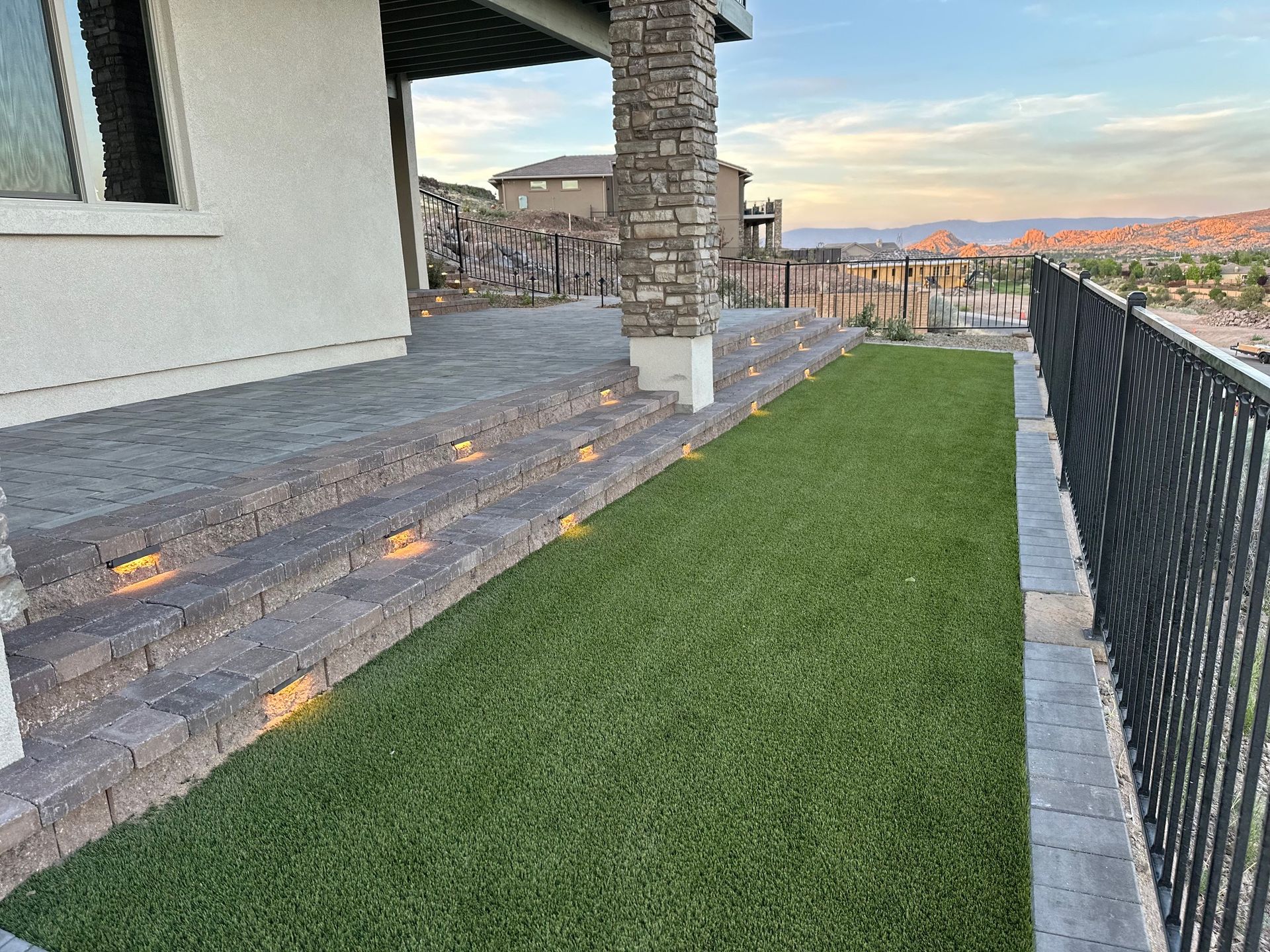
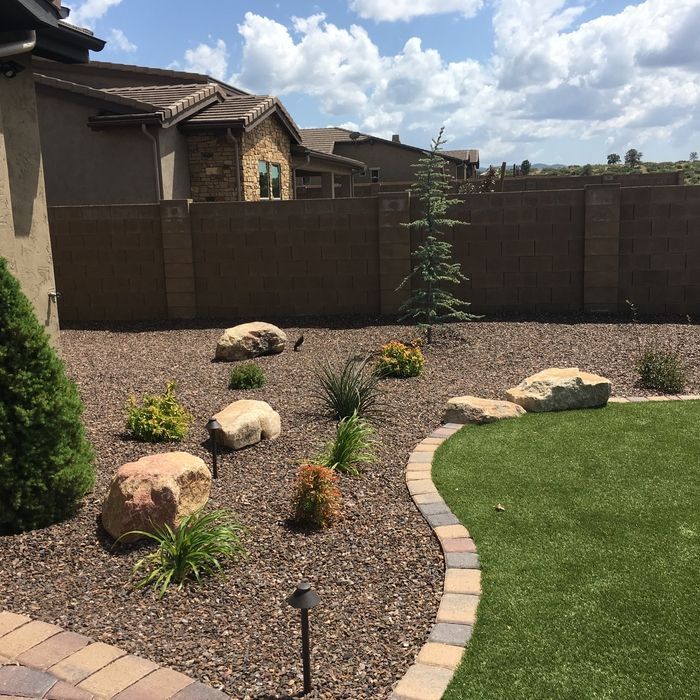
Shrubs help soften areas filled with rock, pavers, retaining walls, and artificial turf. They can also be used to create privacy, define spaces, control erosion, or add year-round greenery.
Manzanita is one of the most recognizable choices for Prescott landscapes. Its evergreen foliage, twisting branches, and reddish bark complement the area’s natural environment. Manzanita is included among the shrubs recommended on regional plant resources.
Apache plume is another excellent option for a more natural or informal landscape. Its light-colored flowers and feathery seed heads provide texture without creating a high-maintenance planting bed.
Rabbitbrush, cliffrose, Utah serviceberry, New Mexico privet, and certain varieties of sage can also work well in low-water landscapes. Rather than filling every open space with shrubs, plants can be arranged in intentional groups with enough room to reach their mature size.
Flowering Perennials for Seasonal Color
Low-water landscaping does not have to be plain or colorless. Flowering perennials can bring color to a Prescott yard while using considerably less water than a traditional lawn or large seasonal flower beds.
Yarrow is a dependable perennial that produces clusters of flowers and works well in naturalized planting areas. Agastache, also known as hummingbird mint, offers colorful flower spikes and can attract hummingbirds and pollinators. Both appear on Prescott’s low-water-use plant list.
Penstemon, salvia, blanket flower, evening primrose, lavender, and cold-hardy varieties of ornamental sage may also provide seasonal color. Combining plants with different bloom times can help the landscape remain visually interesting from spring through fall.
Ornamental Grasses and Accent Plants
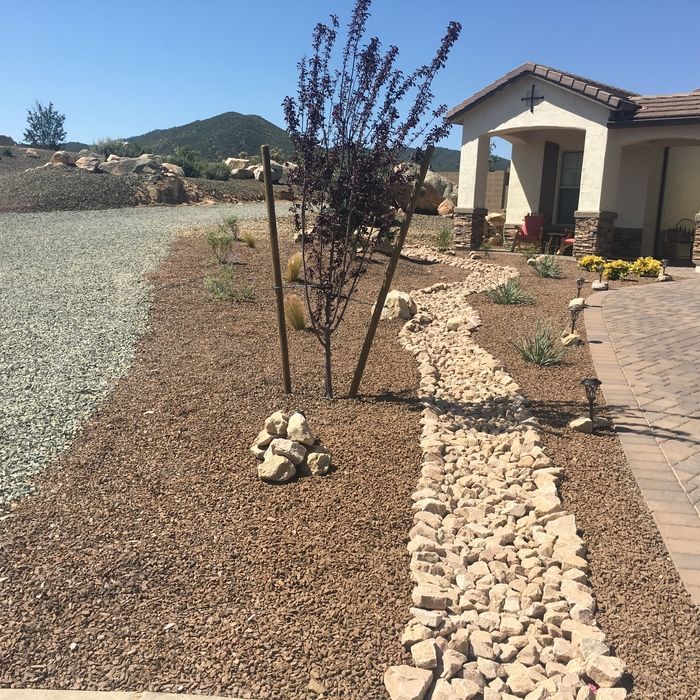
Ornamental grasses add movement and texture around boulders, walkways, paver patios, and dry creek beds. Native or adapted choices such as blue grama and purple three-awn can help create a landscape that feels connected to the surrounding high desert.
For stronger architectural accents, Parry’s agave is a cold-hardy succulent included on the Prescott low-water-use list. Its structured form works particularly well near decorative rock, pavers, or other hardscape features.
Accent plants should be placed where their mature shape can be appreciated without interfering with walkways or gathering areas.
Build a Landscape Around the Property
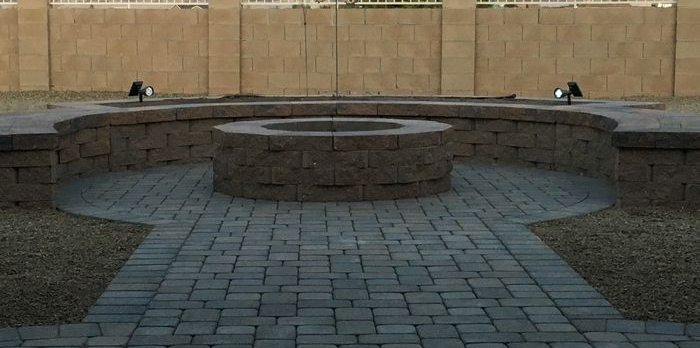
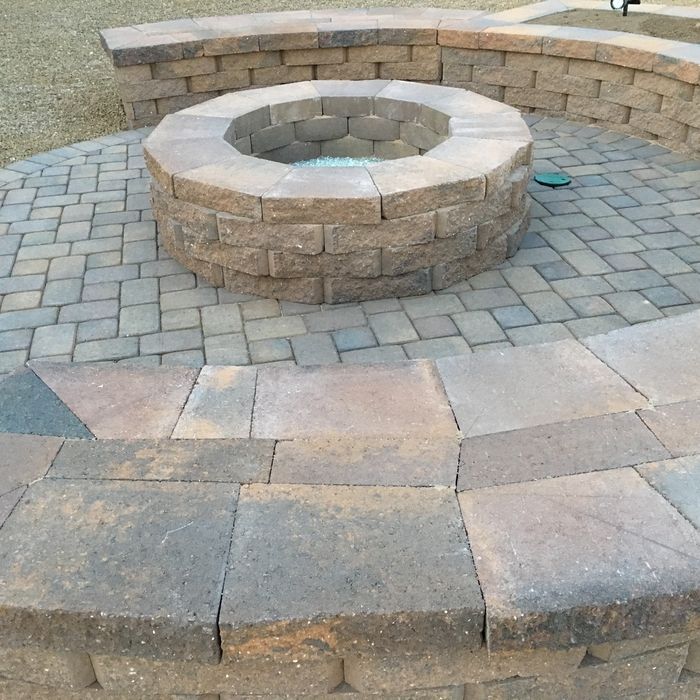
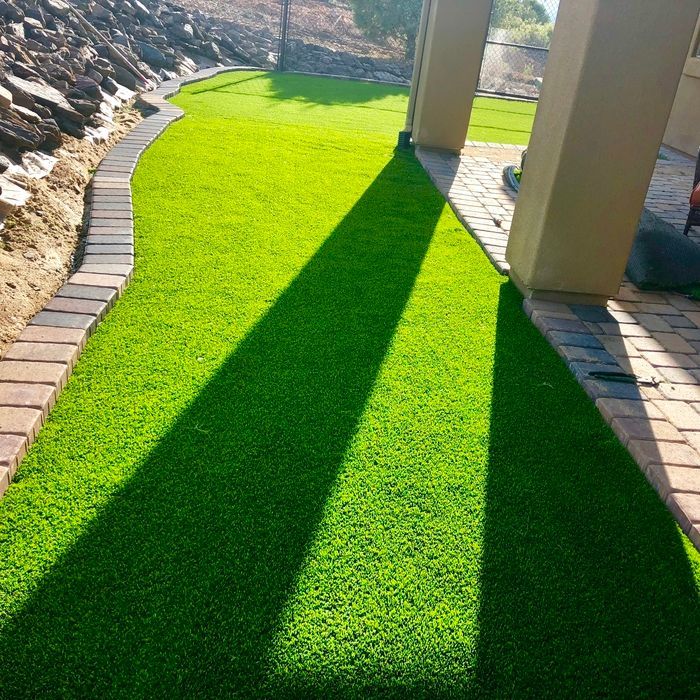
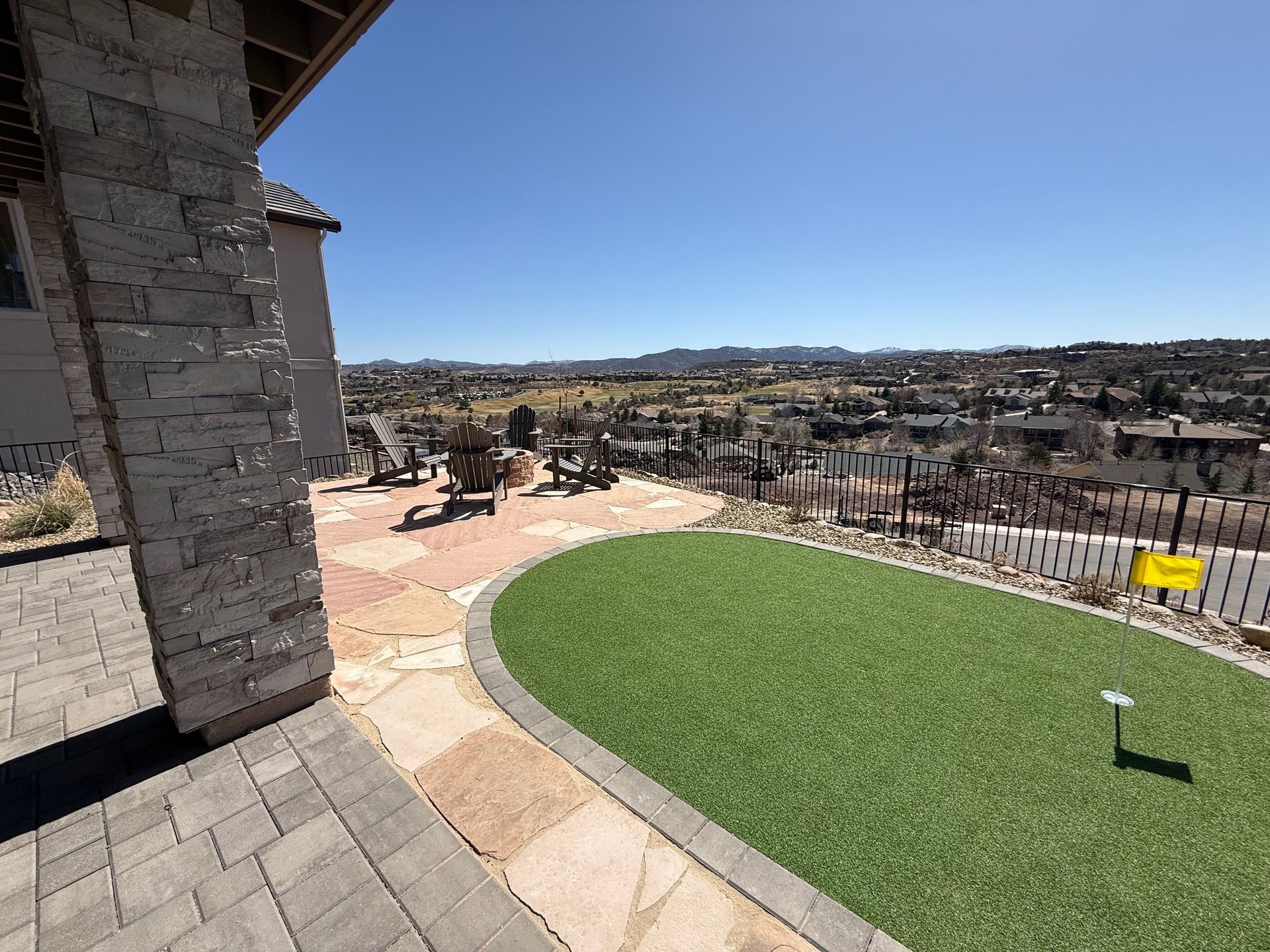
The best Prescott landscapes typically combine carefully selected plants with durable features such as decorative rock, pavers, artificial turf, pathways, boulders, and seating areas. This creates a yard that remains attractive even when individual plants are dormant during winter.
Angelsun Landscape Services can help homeowners select plants that complement the property, withstand Prescott’s climate, and fit the desired level of maintenance. With thoughtful planning, your yard can provide shade, color, texture, and curb appeal without becoming a constant source of watering and upkeep.